Subscribe

* indicates required

January 26, 2013

The Crossing


http://images.nationalgeographic.com/wpf/media-live/photos/000/005/cache/grey-wolf_565_600x450.jpg
Am fost intrebata adeseori, in ultima vreme, cum de oare mai am timp pentru a mai citi. E o intrebare fara raspuns, iar tacerea mea poate fi probabil inteleasa de cei ca mine. La randul meu, ma intreb cum de nu ne mai putem face timp in (i)realitatile noastre cotidiene de o pagina sau doua. Si da, ma lupt cu oboseala. Acum, mai mult ca oricand. Cu cestile de cafea aburite, asezate pretutindeni, cu orele prea tarzii de lucru, cu mult prea putinul meu timp ramas.Cu absurditatea tonelor de hartie, aruncate intr-un cos de cancelarie sau pe-un CD irosit. Cu ipocrizia unora, superficialitatea altora, cu ticaitul ceasornicelor invechite. Cu lucrurile mult prea triste, spuse fara cuvinte de ochii unui copil. Ma lupt cu mine insami. Cu temerile mele, care par uneori ruginite-n mine. Ma lupt cu tot in incercarea de a mai crede in ceva. In a-mi mai aminti un vis sau doua. In a nu cadea ,,acolo”, in a ramane Ray.
Probabil ca Dumnezeul meu intim, in care am crezut de la inceput, sau singurul lucru in care am crezut inca de la inceputuri, a fost Omul simplu, cu energia, pasiunile, durerile sale. Omul pe care-l regasesc in omuletii mei, Omul care trece dincolo de frontierele obisnuite. Cand lumea intreaga pare un minunat castfel de nisip si cu totii parem sa ne frangem sub povara propriilor valuri, cand totul se uita, dispare, se pierde, cand ne indepartem prea mult de ceea ce ,,mi-ar fi placut sa fiu”, eu inca mai credeam in ceva. Sau mai cred. In acest El Corrido, My Story, Your Story, His/Her Story, Our Story. Iar literatura care mi-a atras atentia, care mi-a ramas intiparita in minte, in care ma pierd si ma regasesc e centrata pe aceasta credinta, departe de zeitati, de practici, de teorii, de tot ce e pretentios, in care Omul, cu povestea sa, este prezentat, de la microcosmos la macrocosmos.
Departe de a scrie aici o recenzie sau un rezumat. Sunt atatea carti care merita a fi citite, peste care trecem fara sa avem habar ce pierdem. Atatea carti alese neatent, din pura curiozitate, cu teme, stiluri, idei care se repeta la nesfarsit. Iar acele carti pe care le purtam cu adevarat in noi, de care ne amintim in momentele noastre, pe strazile pustii, in trenuri sau in salile arhipline, a caror cuvinte renasc in mintea noastra, ne asteapta tacut, pentru a ajunge la ele.
,,Lucrurile separate de povestile lor, nu au un inteles. Sunt numai forme. De o anumita culoare si de o anumita marime. De o anumita greutate. Dupa ce pierdem intelesul lor, nu mai au nici macar nume. Povestea, pe de alta parte, nu-si poate pierde niciodata locul din aceasta lume, pentru ca ea este, de fapt, acel loc. Si asta puteam gasi aici. El corrido. Istoria. Si, ca toate corridos, pana la urma spune o singura poveste, pentru ca una singura exista si poate fi spusa.” (186 + 187)
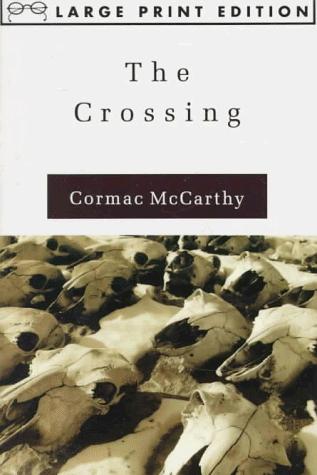
Marea trecere
Marea trecere
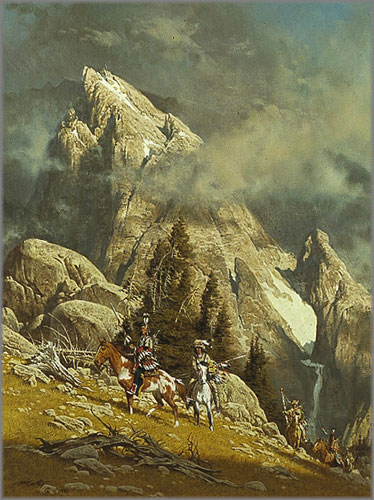
Harold Bloom vorbeste despre patru mari scriitori americani contemporani: Don DeLillo, Thomas Pynchon, Philip Roth şi Cormac McCarthy. Pe bancile invechite ale facultatii de litere, va mai trece probabil mult timp pentru ca acestia sa fie macar mentionati si apoi studiati. Am ajuns din intamplare la ultimul dintre acestia, cu Marea trecere, a caror pagini surprind cateva dintre aspectele esentiale ale Americii – miturile ei, indienii, sufletul Mexicului, si-al Americii, mentalitatea lor, frontiera -, intr-un stil care te lasa fara cuvinte. E greu sa surprinzi in fata unei astfel de proze, intr-un articol (care va aparea candva la bookblog) acel ceva ,,care nu poate fi cuprins”, acest el corrido. Si cat de mitic, de sacru poate aparea un lup, un joc de artificii, o banalitate in proza lui McCarthy …
In fata sa se intindeau muntii de un alb orbitor in lumina soarelui. Pareau proaspat nascuti de mana unui zeu nechibzuit, care probabil ca nu se invrednicise sa le mai gaseasca si un sens. 39
,,Ca si cum intunericul ar fi avut suflet si ar fi fost asasinul soarelui, iutindu-se catre apus, asa cum credeau oamenii o data, de mult, si poate ca aveau sa creada iarasi.” 93
Pentru iubitorii de proza americana, care au trecut peste stereotipurile gen ,,America n-are o istorie”, ,,literatura
http://galleryone.com/Merchant5/graphics/00000001/mccarthy-mcccr1.jpg
americana e sterila”, ,,America inseamna doar comercialitate”, pentru cei care au studiat Studii americane, dar n-au ajuns la acesti scriitori, pentru cei care constientizeaza ca literatura americana e … literatura americana, McCarthy probabil ca este un (ravasitor) bun exemplu. Iar ceilalti trei scriitori, pentru mine personal, au trecut direct in lista must read. 
,,Pe unde umbla ea, urletele coiotilor se opreau cu un clampanit surd, ca si cum s-ar fi inchis o usa si n-ar mai fi ramas decat teama si mirarea. Ii ridica capul teapan de printre frunze si il lua in brate, sau intinse bratele sa cuprindace nu putea fi cuprins, ceva ce pornise deja printre munti, ceva inspaimantator, dar in acelasi timp de o rara frumusete, precum florile care cresc pe cadavre. Acel ceva din care sunt facute sangele si oasele, dar pe care ele, la randul lor, nu-l pot face, pe nici un altar, dar nici o rana de razboi. Acel ceva despre care credem ca in mod sigur are forta sa taie, sa modeleze si sa scobeasca forma intunecata a lumii, la fel ca vantul sau ploaia. Dar nu poate fi cuprins, nu va fi niciodata cuprins, si nu e floare, ci vartelnita, vanator de care vantul insusi este ingrozit, de care lumea intreaga nu se poate separa.”

January 1, 2013

24

Tot ceea ce vreau sa exprim este Linistea aceea. Abisala, in care orice strigat se prabuseste fara zgomot. Si nu stiu cum sa fac asta. Sau am uitat. Printre cuvinte, valuri, imbratisari, cuvinte, fericiri si din nou, alte cuvinte. Intr-un nesfarsitdéjà-vu. In the silent “mode”. 


December 28, 2012

Daddy Love: The Psychology of Abduction


Do you remember that old song, Runaway Train? When I was a child, I was listening to this song, shocked by its video: There are over one million youth lost on the streets of America. Even now, I do not know exactly what I felt … pity, angriness, sorrow, for all the lives that were/are destroyed by some of us. Literature has always been a mirror of reality, and in its history we discover themes like love, war, family relationships, friendships, religion and many others. Why wouldn’t abduction be one of its themes? A theme which is molded from our own dark reality of the 21st century, which we hear on the news or in some crime films or TV series.  But is Literature – with capital L, the one that is worth reading – entitled to depict such a theme? Why should a writer write about this, when there are so many other things to be talked about?
Somewhere in the book there is a TV discussion around the following question: Why hadn’t the boy left his abductor when he had so many opportunities? The answer that one of the talk-show hosts gives is the following:
Looks to me like the kid could’ve gotten away lots of times. Looks to me like he’d come to like his new life better than with his old family – no school, hanging out, skate-boarding, eating pizzas… I’m suspicious of this kind of thing, kids running away from home and claiming to be ‘victims’.(169)
Daddy LoveJoyce Carol Oates does not write a crime novel, but a psychological one, in a minute way, not to entertain us, but to make us aware of another part of reality. Robbie is an intelligent five-year old boy who is abducted in a parking lot. He is not the first boy who is abducted by Daddy Love and not the first one who is sexually abused. The book, as I already said, is not for entertainment and it is very difficult to be read by the sensitive ones; with every page that you read, you want to be lied, you wish for a real happy-ending – for the little boy, for the mother, for his family; you hope that the six years of captivity will disappear in the end and everyone will be happy. You do not want to know Daddy Love’s sick thoughts, or that the dog – Robbie/Gideon’s only friend – was brutally killed in front of the boy, you simply wish for a small good thing for the child. But Oates gives you only the reality, an X-ray of the human soul, the roots of the evil and its consequences, depicting the psychology of the mother, of the abductor, of the father, and the most intriguing one to my mind, of the boy.
“The Preacher did not stand at the head of the flock and preach to uplifted faces but moved between the rows of seats in the central and side aisles of the little church with the ease and grace of a true shepherd. Often the Preacher reached out to touch a shoulder, a head, an outstretched hand – Bless you my brother in Christ! Bless you my sister in Christ! God loves you.” (40)
Daddy Love’s perspective is the main one in this novel. Interesting enough, when we first meet him, the abductor wears the clothes of a Preacher, utterly different from what we shall discover afterwards. Religion is extremely important to him, he gives to his “sons” Biblical names, and there are several analogies that he makes in his mind with saints or martyrs. He sees himself as a savior, as a Jesus or as a Dalai Lama, thinking once that he is the “reincarnated spirit of Tibet”(67):
The Wooden Maiden was an ingenious invention of Daddy Love. As Jesus was a carpenter, so too Daddy Love was good with his hands, and found such “handyman” work soothing. He would make of his sons apprentices in such work. A child was never too young not to help his father. (74)
However sick he would be, he knows how to read the psychology of the crowd, able to remain invisible when he abducts “his” children: The ordinary individual, Daddy Love had discovered, was not so very different from a child in his perceptions and expectations.” (52)
Men that are ordinary, common, like the rest, are invisible. Witnesses cannot “get it right” because they “see only what their eyes see, not what is invisible.” (53) In the eyes of the world, he is simply a father with his son, a Believer, just one of the many; he is the “restless American type” (56). On the other hand, he wants to be something else, different, unique; he loathes women, but he is adored by them, and he enjoys this, he sees himself as an artist, a painter or a sculptor, and he really thinks that he saves those boys from their mothers, although he is unable to love anything or anyone, having no voice of consciousness.
Moreover, the narrator does not explain in long sentences why Chet Cash became Daddy Love, but it gives us flashes of his memories, without any further analysis. We find out that “He had not seen his fucking “family” – fucking “relatives” – who’d betrayed him to the Wayne County, Michigan juvenile authorities, aged twelve, in twenty-six years.”(51)
Daddy Love is not the only one who is influenced by the past, but also Dinah’s mother, in the few chapters that are dedicated to her drama, is caged in her own past. Therefore, before the abduction, Dinah is the mother who is haunted by her own problems that are rooted in her relationship with her own mother. Both she and her husband, Whit, promised to themselves that their son will be raised to be happy: “God damn, Dinah, we’re going to bring up our son to be happy. None of this bullshit from our families, O.K?” (36) She is the passive kind of person, unable to scold anyone, accepting everything, who has moments of hating herself, obsessed with the thought of being a bad mother: “You must hide from your child your own foolish uncertainties. You must hide from your child your own sudden sharp-as-a-razor self-loathing.” (6)
Although she was on the verge of dying when Robbie was kidnapped, she cannot forgive herself for letting off of his hand. Sinking into pain, “in the defeat of her life” (29) confronted with the ignorance of the world, found on the Internet (where she is judged) or on TV programs, she redirects all her thoughts towards her missing son:
It was a pit of confusion into which she fell head-long. She was aware that she was very likely dying because her breathing had ceased because her skull was cracked because her soul was leaking through the crack like smoke from abandoned, long-smoldering mines in Pennsylvania that yet continue to ascend through cracked pavement.”(28)
She does not say anything about her husband’s infidelity, of the times when he sinks his own pain in alcohol, the times when he comes late at home, but Whit’s “inner, essential life” is drawn for six years in the direction of finding his son: “[…] you attribute your subsequent life – every mood, every downturn – to that catastrophe. You can’t imagine an alternative life. There is only one life. You have no perspective.” (247)
This inner life of his is sharply defined in the following excerpt:
His sexual being, the very essence of his soul, had been obliterated, at the time of his son’s abduction. His sense of himself as an individual with some degree of control over his life had vanished utterly. His fatherhood, his manhood, his dignity. Another man, a predator, had taken his son. It might have been the most ancient and primitive of insults, Whit thought. More even than the abduction of a wife. (239)
Robbie’s disappearance affects the life of his family and Daddy Love’s actions. What about him? How can a smart young child survive for six years of torture and “cuddle-time”? Oates rarely gives him a voice. From Dinah’s perspective, and later his teachers, we find out that for a while, he is a good child, a prodigy, already mature for his age. “And quick. And smart. Fascinated by words.” (12) In the “care” of Daddy Love, Robbie becomes Gideon, the biblical brave warrior, and somehow, ironical, he is one. Slowly, we have “a new look in the boy’s eyes – no longer younger.” (117) There were pages that I could barely read. And somehow, you keep on reading, hoping for a miracle, because I guess that any reader will sympathize with Gideon. You hope that the child will be okay, although, in your mind, you know that this will never happen. Or will it?
Daddy Love brainwashes Gideon, shaping him as he wants, applying Skinner’s methods:
“He’d [Daddy…] read of “conditioning” – the great American psychologist B.F. Skinner and before him the nineteenth-century Russian Ivan Pavlov. But his natural instinct was to reward, and to punish, in such a way as to instill love, fear, respect for and utter allegiance to Daddy Love in the child-subject.”(57) […] That was the Skinner-method of conditioning: praise not blame, rewards not punishments. But hell, punishments were fun.” (124-125)
Gideon remains a very smart boy, who starts telling his story, unaware, at school, through his unique drawings. In his mind, he is making the difference between the Son – what the kidnapper sees, what he wants his “son” to be – andGideon – the one who thinks, who feels, who rebels, the “warrior”:
Son had no plan. Gideon had (maybe) a plan. Son lived in present-tense. Son was is. Gideon lived in past-tense. Gideon was was. Except, Gideon was smarter than Son. Gideon was older than Son and so could live in present-tense if he wished, and in future-tense. Son had smothered in the safety-box. Son had not survived. Son had survived. But as a worm survives making itself small, twisted, flat. Son was not Gideon. Son said to Daddy Love Yes Daddy. I love you Daddy. Gideon said to Daddy Love Yes Daddy. But thinking his own (mutinous) thoughts. (163-164)
However, Gideon starts punishing the ones who has no fault. Gideon starts resembling (more or less) Daddy Love. Gideon loves, in a way, Daddy Love, because Gideon only remembers the time that he spends with Daddy Love. There is an interesting combination in this boy of the Stockholm syndrome with the remains of Robbie’s fragile memories. How normal will this child eventually be? Can you plant evil and expect to collect good things?
Daddy Love is not an easy book, but one extremely well written, raising many questions and subjects of discussions. It is a realistic book – maybe too realistic -, not for entertainment, but it gives us an insight of a traumatic experience, written for those who are interested in the world that we live today, in psychopaths, in psychology, as well as for those who state things like the one the TV host has said. As Dinah was thinking, “Unless you’d lived the hell that Robbie had lived, you could not know. And you could not judge.” (270)
 [The Mysterious Press, an imprint of Grove/Atlantic, Inc. New York, 2013, ISBN: 978-0-8021-2099-1, NetGalley]

December 2, 2012

Scrisoare de Decembrie ...


M-am trezit in al meu Decembrie cu acea durere care-ti spinteca in doua capul, incercand sa ignor ceata ce s-a lasat in jurul meu. Sunt oameni care au un sentiment special atunci cand ,,intra” in luna in care s-au nascut, care asteapta Craciunul si se bucura de luminitele de afara, de Mos Craciun, de darurile ce le vor primi …
 La inceput de decembrie, tot ce imi doresc este sa plec. Cat mai departe. E un dor urias de altceva, in care sa invat sa mai cred in ceva, sa mai vad si altceva, sa ies din tot ceea ce stiu. E un dor care se reflecta pe geamurile tramvaielor, in orele tarzii ale amiezii, in toti in cei in care am crezut candva.
In acest inceput de Decembrie, ma regasesc pe mine intr-un martie trecut… cu valurile ce se inalta tot mai sus, cu zgomotele lor, cu tarmul de unde le privesc jocul. Si singurele lucruri pe care mi le doresc este sa ma simt in Decembrie… mereu mi-au placut globuletele acelea in care sunt inchise casute, omuleti, jucarii… pare o lume perfecta, adapostita, ferita de ceea ce e afara… vezi tu, oricata experienta as avea in a fi ,,un om mare”, oricate ore am in spate, adunati din anii trecuti de a lucra pana la epuizare, de a imbina muncile sisifice cu momentele dedicate oamenilor la care tin, oricata energie ,,supraomeneasca”, ca sa folosesc cuvintele altora, tot ma simt franta. Am stat prea mult afara, in realitate, in lucrurile pe care abia acum tu incepi sa le cunosti… am imbatranit de mult printre ele. In globuletul meu de sticla, as vrea sa am mai multa rabdare, pentru mine, pentru tine, pentru noi, pentru toti, sa mai pot fi acea stanca in care oricine se poate prinde, in care oricine este iertat, in care oricine este inteles. Eu vreau acum sa fiu cea inteleasa.
As vrea sa dorm. Si imi doresc mult de tot liniste, Siguranta (poate asta mai mult decat orice), pace si multe culori. Nu vreau nimic altceva, nu vreau carti sau esarfe sau agende sau portofele sau parfumuri sau … nu vreau nimic. Nu mai vreau sa fiu in perioada asta nici profa’, nici aia care tot scrie, nici calutul la care toti sunt inhamati. Ia-mi toate ambitiile, ingroapa-le pe unde apuci, si lasa-ma sa fiu eu, lasa-ma sa respir, lasa-ma sa ma joc. Vreau fulgi de nea si jocuri si din nou, zapada. Vreau sa alerg prin parcul meu vechi, sa vad o Gradina Botanica inclestata in namet, alba, fara nimic altceva, vreau sa fac multe poze la ursii mei preferati, la stelele de Decembrie, la patinoare si saniuti.
Cand ma gandesc la iarna, nu imi amintesc mai niciodata de frig. Desi il vreau acum, sa-mi intre in suflet, sa-mi reaminteasca de ceea ce am fost candva. Cand stiu ca iarna e acum langa mine, imi amintesc de fulgi, de luminile universitatii, de un “forever young”, de …
As vrea sa vad un oras adormit sub torente. Si as vrea sa vad toate luminitele de altadata, sa mai cred ca oamenii pot ramane mereu tineri. As vrea sa mai cred, sa simt, sa mai indraznesc sa sper in ceva.

November 24, 2012

Money, Money, Money


The world is insane… or I’ve got a problem or two… nu stiu daca as vrea sa traiesc intr-o alta era, in care sa nu am libertatea pe care o am acum, sa fiu nevoita sa stau acasa, fara acces la educatie, si sa cresc un n numar de copii. Numai ca prea ne-am pierdut prin tehnologii si alte lucruri de acest gen… telefoanele sunt demult apuse, iar Fakebook-ul e la putere… daca vrei sa comunici ceva, pui pe ,,perete” (sau wall, cum il preferi). Lasam mesaje pe acolo, invitatii, si alte cateva lucruri pe care eu una le-as prefera fata-n fata sau macar intr-o conversatie telefonica. Mi-e dor de intimitate.
Apoi, dupa cum tot spuneam, gonim dupa bani, si nu stiu cum se face, dar niciodata nu-s deajuns. Ne alegem o meserie pe care o detestam, sau daca reusim sa ne opunem celor din jurul nostru si ajungem profi’, ne ingropam intr-un morman de acte. Planificari – anuale, semestriale, la fiecare lectie, la fiecare unitate, la fiecare elev, la fiecare activitate pentru ziua mondiala a … x,y, z. Ce se face cu adevarat in clasa nu mai conteaza. Aruncam o puzderie de hartie la gunoi pentru nimic. Ne ucidem timpul pentru nimic. Iar la randul lor, copiii sunt defectati (putin spus) de niste parinti care tot asa, alearga dupa cat mai multi bani, sau se pierd in carciumile ce-au inlocuit librariile din oras. Dar nu asta-i important. Hartiile sunt cele care au toata puterea, desi unu la mana, nu stiu cine le citeste, iar in al doilea rand, privind lucrurile ecologic (ca toate scolile sunt pline de think green), cati copaci oare au fost taiati in numele birocratiei?
Am obiceiul sa incep o noua unitate cu un cantec. Sau sa explic lucrurile prin cantece. De exemplu, la Present Perfect am adus U2 – Haven’t Found what I’m Looking  for, sau Have you ever seen the rain? , iar la o lectie despre Homes, am explicat diferenta intre House si Home prin ceea ce ultima ar trebui sa ne faca sa simtim (Sweet Home Alabama, sau Home, Michael Buble, dar se poate si Green Green Grass of Home, si multe altele). Am tendinta sa ma joc, sa le dau sa faca altfel de lucruri, sa am o alta relatie cu ei, sa pun accentul pe creativitate, pentru ca asta e ceea ce ma reprezinta pe mine. Numai ca pentru energia si banii pe care-i arunc pe materiale sunt intrebata ,,daca ma simt bine” (in cel mai bun caz). Si-mi place al naibii de mult sa ma joc, nu doar in clasa, ci si cu cei din jurul meu, in gesturi, in cuvinte, in amintiri… dar vezi tu, lumea e obosita, si gri, si intr-o continua uitare… sau cel putin cea de langa mine. Money rules. Facebook rules. The internet rules. Where are we in all these? Where are the colours? Where are the feelings? Where are the people, the humanity, in all our activities?
Mi-e dor sa mai vad un strop de culoare in cei din jurul meu. Mi-e teama sa nu ma las invinsa de cenusiu. De toata lumea ce ,,n-are timp sau bani”. De rutina. De gandirea aia tipica, care inghite totul in jurul ei, care ne transforma in mici robotei. Si pentru toate lucrurile pe care le fac, pe care le dau, si in special pentru toata energia si sentimentele pe care le pun acolo (fie ca vorbesc despre activitatea mea in invatamant, recenzii [de care trebuie sa-mi fac mai mult timp], sau pur si simplu prietenii), as vrea sa ma vad inteleasa, as vrea sa vad un feedback, un „pay it forward”, as vrea sa vad ca in toate incercarile mele de a arata si o alta fata a lumii in care traim pentru mult prea putin timp, am reusit sa reamintesc sau sa arat ceva.

October 28, 2012

The Mayonnaise Jar and the Two Cups of Coffee


Am gasit povestea de mai jos cu "Two cups of coffee" si "two beers". E adevarat ca ultima nu mi s-ar aplica si mie, dar in fiecare zi am in minte concluzia de la final, indiferent de ceea ce alegi. I will always have time for my mayonnaise jar. Astazi, mai mult ca oricand, ma gandesc la banci portocalii, la potecile Gradinii Botanice, la plimbarile prin orasul nostru vechi, la mirosul teilor din diminetile de dupa seminarii, la cestile de cafea calde, sau la sticlele de Cola ce ne-au ajutat (sau nu) sa trecem peste anumite cursuri.

Pana la capat... asa cum declaram in urma cu un an, acum doi, trei sau patru ani. Nu stiu prin ce ai putea sa le arati persoanelor ce le porti in tine gratitudinea, dragostea si prietenia ta pentru ele. Sau sa le mai spui ceva nou, care sa le faca sa constientizeze cat de importante sunt in viata noastra. Sunt persoane care au facut o diferenta intre ei si restul prin caldura ce ne-au oferit-o, prin faptul ca ne suporta micile si marile noastre defecte, prin simplul lor fel de a fi. Si cum oare sa le explicam ce inseamna asta pentru noi? Cum putem descrie sentimente? Cum sa ne deschidem sufletul, aratandu-ne in acelasi timp pe noi si pe ei? Si sunt amintirile ce le port mereu in mine, tesute intre ele prin gesturi si cuvinte.

Adeseori ne pierdem pe noi insine in haosul unei zile obisnuite. Ne enervam pe cei ce nu conteaza, ne batem capul cu probleme pe care le vom uita intr-o luna sau jumatate de an, ne omoram energia pentru fleacuri. Si-n toata aceasta goana, uitam sa spunem un simplu multumesc. Sa ne intoarcem privirea spre acei oameni care inca ne mai fac sa credem in sacralitate.

Ei bine, pentru un astfel de om, numar 364/5 de zile pana astazi. Incerc sa o spun cat mai des, in zile cu soare, cu ploi, sau cu ninsoare. O uit si eu, incarcata la fel ca oricare de acea parte a Vietii ce ne face sa ne pierdem pe noi insine. Dar uite ca astazi  e una dintre zilele mele cele mai indragite din an, pe care o astept mereu timid, cu bratele incarcate de joculete si amintiri, de acele lucruri numai de noi (sau uneori doar de mine) stiute. Mereu mi-a fost greu astazi sa-mi aleg cuvintele ... as vrea sa spun prin ele totul, si oricat le-as inversa, le-as aseza, le-as colora, parca mai este ceva ce-mi scapa...

 De 4 ani incoace, incerc sa strang intr-o singura zi toate emotiile si amintirile ce mi le-ai oferit. Nu stiu cat imi reuseste ... Astazi, la fel ca si ieri, sperand la un maine ...  iti multumesc ca existi!


"When things in your lives seem almost too much to handle, when 24 hours in a day are not enough, remember the mayonnaise jar and the 2 cups of coffee.

A professor stood before his philosophy class and had some items in front of him. When the class began, he wordlessly picked up a very large and empty mayonnaise jar and proceeded to fill it with golf balls. He then asked the students if the jar was full. They agreed that it was.

The professor then picked up a box of pebbles and poured them into the jar. He shook the jar lightly. The pebbles rolled into the open areas between the golf balls. He then asked the students again if the jar was full.  They agreed it was.

The professor next picked up a box of sand and poured it into the jar. Of course, the sand filled up everything else. He asked once more if the jar was full. The students responded with an unanimous "yes."

The professor then produced two cups of coffee from under the table and poured the entire contents into the jar effectively filling the empty space between the sand. The students laughed.

"Now," said the professor as the laughter subsided, "I want you to recognize that this jar represents your life. The golf balls are the important things--your family, your children, your health, your friends and your favorite passions--and if everything else was lost and only they remained, your life would still be full.

The pebbles are the other things that matter like your job, your house and your car.

The sand is everything else--the small stuff. "If you put the sand into the jar first," he continued, "there is no room for the pebbles or the golf balls. The same goes for life. If you spend all your time and energy on the small stuff you will never have room for the things that are important to you.

"Pay attention to the things that are critical to your happiness. Play with your children. Take time to get medical checkups. Take your  spouse out to dinner. Play another 18. There will always be time to clean the house and fix the disposal. Take care of the golf balls first--the things that really matter. Set your priorities. The rest is just sand."

One of the students raised her hand and inquired what the coffee represented. The professor smiled. "I'm glad you asked.

It just goes to show you that no matter how full your life may seem, there's always room for a couple of cups of coffee with a friend."


October 17, 2012

Personal Jesus

Nu cred in Dumnezeu, dar ii simt lipsa.


Julias Barnes


Someone who's there... 


A crede, a nu crede. Sarbatorile Iasului, cu imbulzeala lui, culorile lui gri si moarte, in ciuda kitsch-ului de pe strada, ma lasa cu un gust amar. Nu am inteles mai niciodata de ce oamenii se calca in picioare cateva zile pe an pentru a pune mana pe un corp ,,sfant”, ,,facator de minuni”, si apoi se intorc linistiti la sarmalele lor.  Nu am putut intelege zilele in care ,,nu se face treaba”, datinile alea stupide, in care se pupa icoane, maini, haine, aglomeratiile haotice, si constructia a cat mai multor biserici, cand sunt atatia oameni care ar avea nevoie de fondurile alea... Si totusi, exista un Dumnezeu inauntrul meu ce-l caut. Nu ma pot defini nici ca a believer, dar nici ca o atee. Mereu am fost atrasa de sacralitate si profanitate, iar din moment ce cred in acestea doua, si in umanitate, zic eu ca ultimul termen nu mi se potriveste.


Poate ca imi formez propria religie, si poate ca de asta Eliade ca istoric al religiilor, ca om de cultura, (si nu ca scriitor) imi este atat de drag. Pe lista obligatorie de lectura se numara si cartile lui din Istoria religiilor. A crede, a nu crede – nu e vorba de adoptarea  unei pracitici, a unei Biserici, a unui sfant. E o curiozitate, un alt fel de cautare, o negare si o acceptare. Credinta in orice (zeu, fiinta, principiu) e ceva intim, a priori poate, ceva innascut in noi insine, in valorile noastre. As vrea sa cunosc religiile lumii pentru vechea mea pasiune pentru istorie, pentru a (re)descoperi alte principii, alte mituri, alte mitologii.


Pe lista de la bookblog, unde am ramas datoare in vartejul din fiecare zi, s-a numarat si cartea lui Shashi Bhushan Dasgupta, despre Buddhismul tantric. Multe dureri de cap la anumite pagini, dar extrem de interesanta la altele. Ceea ce mi-a captat atentia a fost perspectiva asupra realitatii si acea amanare a propriei salvari pentru binele celorlalti, umanitatea cu care buddhismul din perioada Mahāyāna se caracterizeaza. Cel care a obtinut desavarsirea ramane pentru a ajuta lumea, se sacrifica pentru ea, ii arata o altfel de gandire/perspectiva, etc. Acest aspect mi-a amintit de Platon si de mitul pesterii, de acel paideia si de misiunea philosofului...


Dar, revenind in zilele noastre, mereu am vrut sa vad Omul ca pe o fiinta capabila de sentimente, de empatie, de a-l vedea si pe celalalt; omul care se poate descatusa din rutina sa, din ambitiile sale, din datoria sa de a fi si de a cauta acea fericire stereotipica, comuna tuturor. Instinctul de conservare, darwinismul, si lumea din jurul nostru ne invata sa ne punem pe noi inaintea celorlalti, sa privim in noi, si numai in noi, desi ironic, suntem guvernati in fiecare noua zi (si schimbati la un moment dat) tot de altii ca noi. Imi este greu uneori sa mai cred in aceasta umanitate, prin lectiile pe care viata mi le-a oferit, prin ceea ce vad zilnic, prin ceea ce unii m-au facut sa simt. Cioran, in Inspita de a exista spunea ca cel mai puternic om este cel care nu iubeste pe nimeni. E adevarat, e fals, e relativ...  Ei bine, pentru a ne cunoaste pe noi, poate ca ar fi bine sa incepem sa privim si-n ceilalti, sa fim constienti nu doar de prezenta lor (fizica), ci si de ceea ce cel/cea de langa noi simte sau il face sa se comporte intr-un anumit fel.


Peste toate iernile ce s-au asternut in mine, vreau sa mai cred in Om. In acela care intinde o mana unui copil ce cade, unui batran ce are nevoie de cineva alaturi, in Omul ce crede in prietenie, ce-si face timp pentru lucrurile alea marunte din viata lui, care stie sa spuna ,,multumesc” si sa ne caute nu doar atunci cand are nevoie de ajutor. In loc sa dam bani pe pomelnice, sa ne cautam mantuirea in notiuni abstracte, si apoi sa ne intoarcem acasa, inchizand ochii la cel/cea de langa noi, pierzandu-ne in barfele din fiecare zi, in propriile lamentari, de ce oare n-am incerca pentru inceput sa privim lumea si prin ochii celuilalt?


In paginile de filosofie, religie, istorie ale cartii lui Dasgupta, printre cuvintele incalcite si nenumaratele practici (absurde uneori), ceea ce mi-a ramas in minte este acest spirit de toleranta, de compasiune, de umanitate, in care cred probabil inca de la inceputuri.


 Mai mult de citit aici:


http://plato.stanford.edu/entries/nagarjuna/


http://mesosyn.com/myth2-12.html


http://en.wikipedia.org/wiki/Varahi


http://en.wikipedia.org/wiki/Vairocana


http://en.wikipedia.org/wiki/Vajrasattva


http://en.wikipedia.org/wiki/Dakini

Borderlands: The Catcher in the Rye

“I keep picturing all these little kids playing some game in this big field of rye and all. Thousands of little kids, and nobody’s around — ...