Subscribe

* indicates required

April 10, 2015

Home ...


,,Iţi scriu ca să te întreb dacă tu, dragă Udo, care ai plecat şi nu te-ai mai întors niciodată, ai plecat definitiv, cum se spunea înainte, ai ajuns acasă?”(Adela Greceanu, ,,Papusa")


I came across these lines several days ago. Finding Home, Ithaca, Neverland … Will I ever be Home? I think I have never been so far from Home as I am now. In a desperate search of a meaning, of a shelter, of some(thing/one) to believe in … I cannot find my place here. I cannot find myself in the job that I now dislike, I cannot find the language in which I can express myself, always searching, feeling, measuring its/their limits … I cannot find my religion and I don’t know if I have lost it somewhere in this road or it has never been there. I have kept on trying to offer shelter, protection, safety, but I … . I cannot find the proper book, the perfect words. I cannot find myself, in all my wanderings, and sins, and memories. And like a small child, I tremendously miss the belief in my own Ithaca.  

February 28, 2015

Et in Arcadia Ego

Violence tortures me. I hate it, I run away from it; I try to avoid it as much as I can. Violence is my weakest spot, be it physical or hidden in the spoken word. I turn off the TV when I see it, or I change the channel. I skipped classes when my teachers/professors were too aggressive, I gave up my pride, my point of view when my friends were too violent in their language. I withdraw in myself. In 90% of the cases, I run away. Because violence is my torture, the thing that I hate the most, the thing that I cannot face. Sometimes I answer through violence. And I hate myself when I do this. I wish we could live in a peaceful world, without wars, fights, violence….

“It was thirty minutes before anyone appeared in the street.  They spoke in whispers.  As they approached the cantina one of the men from inside appeared in the doorway like a bloody apparition.  He had been scalped and the blood was all run down into his eyes and he was holding shut a huge hole in his chest where pink froth breathed in and out.  One of the citizens laid a hand on his shoulder.
A donde vas? He said.
A casa, said the man.” (190)

So how the hell can I read and choose him?

I strongly believe we are our choices. And as this book points out, human beings are beasts. It is in our nature – Americans, Romanians, Chinese, Russians – to be driven by evil, to hit, to kill, to hurt the one next to us. We are selfish beings, animals, and most of us are unable to see the Other, be it male or female, husband or wife, mother, father, friend, sister or brother. We see ourselves as the Universe, either we acknowledge this or not, and nobody and nothing else, except our needs, matter. In our road to success, or growing up, we leave behind dreams, people, principles. We blame the others, rarely ourselves. We lack time to try to see through their eyes. And we become the things that we hated the most. In our way to conquer civilization.  

Cormac McCarthy is a highly intellectual writer. His prose is filled with symbols from various areas, and in order to really understand him you need some help – history books, knowledge of Spanish, German, philosophy, religion. He is one of the most lyrical writers that I have ever known. And at the same time, Blood Meridian is by far the most violent book that I have ever read, and one of the most shocking. It was really difficult to digest, to understand, and way too often it was unbearable. It was also difficult when it came to vocabulary, to syntax, to style. After I had finished it, I didn’t know what I want to do next: to start all over again, so I can understand it better, or I felt happy that it was over, no more massacres, deaths, killings …


I don’t know how many can read such a book because of its violence and language, but I know for sure that this novel goes beyond literature. Man is war, man is destruction, man is chaos. And still, I stubbornly believe that there is a glimpse of hope for this world. Because violence is my torture.  

February 11, 2015

If I were God ...

As sfasia pagini de jurnal, si toate acele insemnari postmoderne dintr-o epoca prea digitala, as sfasia amintirile, si zilele, si parti din cine sunt. As rupe bucati din gandurile mele si le-as azvarli in toate valurile care ma-nconjoara. Si m-as adanci si eu, odata cu ele, in mare, in valuri, in tacere. As opri din mersul lui firesc un carusel si l-as face sa se intoarca indarat, to the square one. As ingropa fiecare sunet dinainte de a se naste, in cotloanele impaienjenite ale caselor modeste, prin dulapuri de bucatarie, prin sifoniere, prin unghere, lasand ca praful sa se asterne peste ele. Si tacerea. Primordiala, adanca, atotcuprinzatoare. As ucide fiecare cuvant, fiecare silaba dinauntrul meu, si apoi as trage obloanele ferestrelor prin care pot privi acea mare si acel alt eu zbatandu-se in ea. Le-as lua pe toate – si val, si mare, si sunet, si gand – si le-as transforma in mici fulgi de nea, oferindu-i omenirii. Pagini mazgalite sau ascunse-n vreun fisier, caruseluri ruginite de povara propriilor amintiri … Ar ninge incet, ar ninge continuu, ar ninge in tacere, fara durere, cu tot si peste tot ce-a fost scris candva de-un alt Dumnezeu mai mare decat mine. 


January 25, 2015

Portrait of Artists and Small Good Things

I came across these thoughts which reminded me of how much I searched and gave for such a miracle. I wonder if such things still exist or our world is too busy and depressed for art, artists and friendships, a universe too tired to see and feel miracles. "Faith is a powerful thing", warned me someone, long time ago. And even so, I guess I am one of those few insane people who still believe in fairy-tales, although this often offers us only destruction ... but no matter what the cost is, we all need something to believe in, don't we? ... 
"Usually the artist has two life-long companions, neither of his own choosing ... poverty and loneliness. To have a friend who understands and appreciates your work, one who never lets you down but who becomes more devoted, more reverent, as the years go by, that is a rare experience. It takes only one friend, if he is a man of faith, to work miracles." (Henry Miller)

January 7, 2015

Drums and heartbeats

This cover reminds me of my own heartbeats. Deep down, behind the sound/the flesh, behind the lyrics/my words, behind every utterance, every breathing, every mask. It is the rhythm that you hear especially at the beginning, the one that I hear inside myself, when I listen, the one that I heard so long ago, on ice. It reminds me of what I have put in all my dreams – deferred, destroyed, or still hanging there. It reminds me of my first flames of passion, of how much I loved to dance and how much I wanted to be born in another country. And it reminds me of growing up, of meeting the World of Words, putting in them what I felt in every winter and what I had to leave in the world of childhood. I am probably a slave of my own heartbeats, inside myself, outside myself, in the things that I search, in everything that I want to say, in every person that I meet and cherish. It is this heartbeat that I want to offer to my people, this one that I try to put on a blank page, and at the same time, the one that burns. It is the sound that I want to let it free, the one that I keep searching, being there, and still, unable to grasp. The only religion that you have, the only thing that makes you feel alive. And still, without a name, without a proper word to be defined ...


December 31, 2014

I want the whole damn world ...

Over murder and pain
Come and set you free
Over heartache and shame ...


,,Memory is identity”, spunea Julian Barnes. In iuresul de amintiri, in amestecul lor violent, care este identitatea mea? Amintiri pe care le sperai ingropate undeva, printr-un alt trecut, amintiri care nu te lasa sa adormi, amintiri care taie, amintiri care alina. Amintiri, care intr-un final, iti amintesc de prietenii. Si te ajuta sa ierti. Amintiri pline de doruri. For some people with too many memories, Memory is a part of insanity. And it is definitely my identity. 


December 29, 2014

Ma numesc Rosu

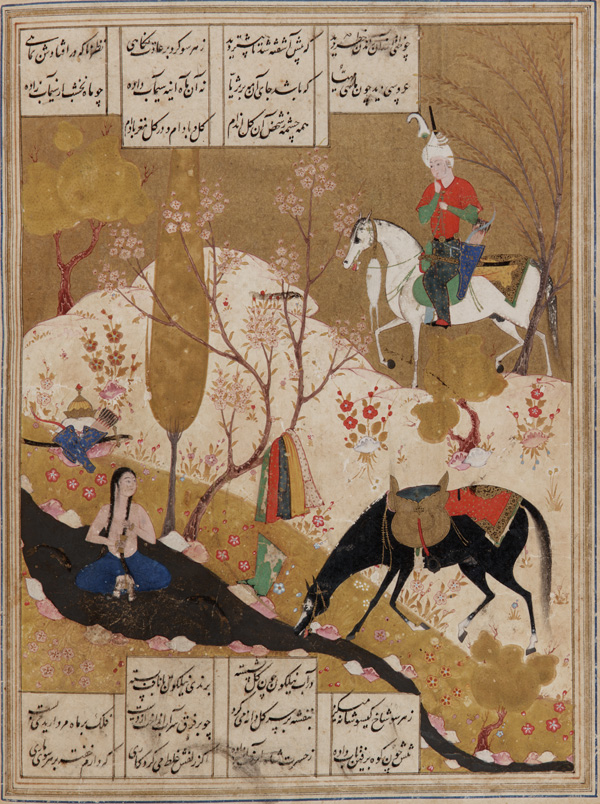
Sunt carti mai ,,personale", daca le pot numi astfel, mai aproape de noi, pe care le citim cu o ceasca de cafea alaturi, intr-o camera linistita, intr-un amfiteatru plin, sau pe o banca verde sau portocalie, printr-un parc preferat. Ne lasam purtati intr-un timp de demult sau intr-unul mai aproape de noi, pe care cumva il recunoastem. Suntem crescuti intr-un anumit spatiu cultural, avem acces la altele, suntem invatati cu literatura romana, americana, engleza, franceza, rusa, suntem invatati cu un anumit stil. Mi-am dorit insa mereu sa citesc si alte literaturi, alte popoare, sa le descopar prin scriitorii lor. Asta m-a condus la Orhan Pamuk, la Turcia, la constientizarea faptului ca nu stiu mai nimic despre traditiile acestei tari, la un alt fel de scriitor, din categoria celor care provoaca, facandu-te sa pasesti dincolo de zona ta de confort, scriind acele carti infernale, cu care te lupti, dar care iti deschid alte orizonturi de cunoastere, alte moduri de gandire. Si poate ca aceasta este una dintre caracteristicile fundamentale ale literaturii, dincolo de refugiile pe care ni le creeaza, aceasta posibilitate de a creste, de a intelege ce inseamna acea empatie culturala, dincolo de timp, si mai important aici, dincolo de spatiul geografic.

Daca ar fi sa compar Ma numesc Rosu cu vreo alta carte, m-as gandi la Numele trandafirului, de
Eco, si poate si la Razboi si pace, de Tolstoi. Aceste 3 romane sunt romane enciclopedii, complexe, care nu se rezuma doar la literatura. In ele gasesti – mai la vedere sau ascunse - tratate de istorie, de estetica, de semiotica … Si din toate aceste trei romane, cumva, in cartea lui Pamuk mi-a fost cel mai greu sa intru, sa o inteleg. O alta limba (nu cred ca am mai citit un roman din aceasta tara pana acum), o alta cultura, un secol mult prea indepartat. M-am tot gandit cum un român poate citi o astfel de carte, cand te gandesti la relatiile pe care le aveam cu turcii in acea perioada descrisa de Pamuk, la incompatibilitatea noastra culturala, la diferenta uriasa de gandire, de religie, la codul nostru care cumva ne-a fost transmis din generatie in generatie. Cum creem acea punte de timp si de spatiu, cum le putem intelege pe acele personaje, cate informatii detinem legate de miniaturisti, de istoria picturii in mare, de arta maestrilor franci, de gandirea si interdictiile Coranului, si in special, cum le putem intelege pe ultimele dintre acestea?

Pentru cei care citesc si altceva in afara de literatura, pentru iubitorii de istorie a artei, pentru artisti, scriitori, pictori, cartea ar putea fi un bun tratat pentru Turcia secolului XVI si arta miniaturistilor. Pentru ceilalti, noi, cititorii de rand, toate aceste informatii ne vor face sa ne pierdem in labirintul de informatii, si mai ca nu vom sesiza cum a fost scrisa aceasta carte: vechiul narator, care ne povestea ce se intampla, vechea perspectiva, este aici impartita intre toti. Cartea poate fi vazuta ca o pictura de mari proportii, in care fiecare are ceva de spus. M-am tot gandit la tehnica utilizata de Prezi: fiecare capitol este spus de altcineva, constient de conditia sa de personaj, adresandu-se direct cititorului, intrand in mintea ta si facandu-te sa gandesti, sa iei parte la actiune. Mai mult decat atat, ca intr-un joc suprarealist, Calul (imaginea tuturor caiilor otomani), culoarea Rosie, Cadravul, Diavolul, Banul si alte cateva obiecte preiau cuvantul, facandu-te constient unde trebuie sa privesti mai departe, si toate aceste voci prinse cumva de vocea suprema, Orhan, cel din carte.

Mi-a fost greu initial sa constientizez tehnica lui Pamuk, sa il apreciez. Am ajuns apoi sa nu ma mai pot opri din citit. Au fost momente, aproape de final, cand la fel ca si unul dintre personaje, Negru, am fost coplesita de avalansa de informatii despre istoria miniaturistilor. Ceea ce ii pot reprosa scriitorului este intinderea, poate nejustificata a romanului, intoarcerea obsesiva asupra acestei arte. De asemenea, nu cred ca ne bucuram de o traducere suficient de buna pentru acest roman (ma gandesc aici la amestecarea stilurilor, la folosirea unor cuvinte regionale intr-un context cat de cat modern, izolate printre celelalte).

Si cu toate acestea, in toate aceste amprente culturale care in acelasi timp fascineaza si ingreuneaza lectura, este placut sa gasesti amprentele cu care ai fost invatat, a unui Borges, a unui Eco, sa regasesti in toate acele povesti in povesti, in toate acele voci ecouri pe care le recunosti, impletite intr-o lume cu totul noua.


Borderlands: The Catcher in the Rye

“I keep picturing all these little kids playing some game in this big field of rye and all. Thousands of little kids, and nobody’s around — ...